
Menu
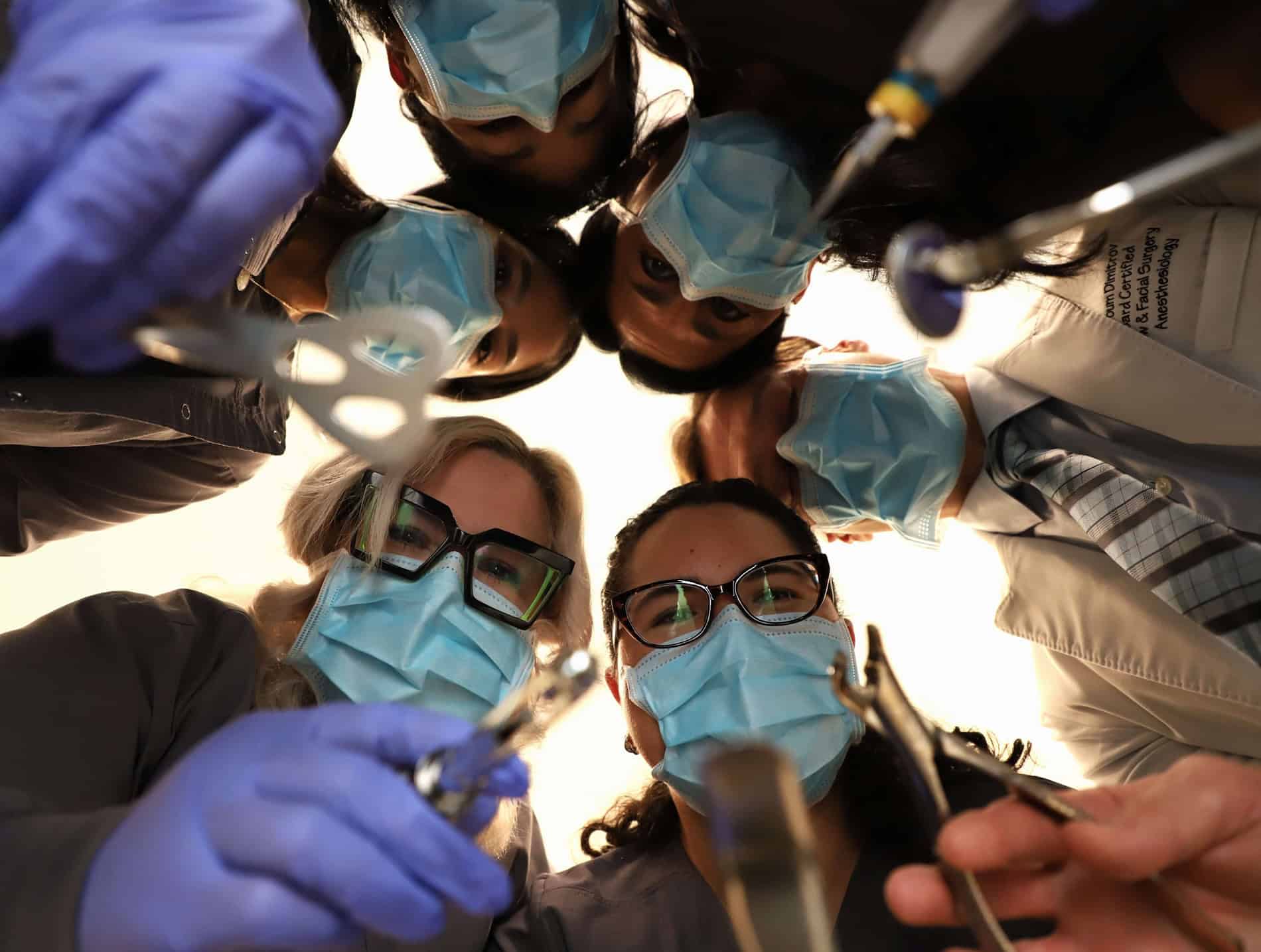
Choosing an oral surgeon is an important healthcare decision. Whether you need wisdom teeth removed, dental implants, a biopsy, jaw surgery, or another procedure, it helps to understand who will be treating you and what to expect before, during, and after surgery.
A consultation is your opportunity to ask questions, review your health history, and make sure you feel comfortable with the plan. The right surgeon should be willing to explain their recommendations clearly and give you realistic expectations.
Start by asking about the surgeon’s training, experience, and approach to patient safety. A good conversation should cover your specific procedure, not just general information.
You may want to ask:
It is also important to share your full medical history. Tell the practice about prescription medications, supplements, allergies, prior surgeries, medical conditions, pregnancy, and any history of problems with anesthesia. This information helps the oral surgeon determine the safest treatment and anesthesia plan for you.
Personal rapport matters, but qualifications and experience should come first.
Ask whether the surgeon is board-certified by the American Board of Oral and Maxillofacial Surgery (ABOMS). Board certification generally reflects completion of accredited training, successful examinations, and ongoing professional requirements.
You can also ask about the surgeon’s residency training and how long they have been in practice. Oral and maxillofacial surgeons complete hospital-based residency programs that include surgical and anesthesia training, but their day-to-day experience can vary depending on the procedures they perform most often.
Board-certified oral and maxillofacial surgeon Dr. Kroum Dimitrov recommends asking how many cases similar to yours the surgeon has completed recently, as well as whether there are any factors that could make your case more complex.
If you have a medical condition, unusual anatomy, or a history of complications, ask how those factors could affect treatment. It can also be helpful to ask how the office handles emergencies and whether the surgeon has hospital privileges if a higher level of care is needed.
If appropriate, the practice may be able to share educational examples of similar cases. Just remember that every patient is different, and another person’s results are not a guarantee of your own outcome.
Anesthesia is often one of the biggest concerns for patients. The best option depends on the procedure, your medical history, your level of anxiety, and the expected length and complexity of treatment.
Ask what type of anesthesia is recommended. Depending on your needs, this may range from local anesthesia to nitrous oxide, IV sedation, or general anesthesia. Your surgeon should explain why a particular option is appropriate, who will administer it, and how you will be monitored during the procedure.
Helpful questions include:
Monitoring may include oxygen saturation, blood pressure, heart rate, and other measures based on the type of anesthesia used. If you are receiving IV sedation or general anesthesia, confirm transportation requirements in advance. In most cases, you will need a responsible adult to drive you home and stay with you while the anesthesia wears off.
Recovery is easier when you prepare ahead of time. Before surgery, ask for written instructions so you know what to have at home and which symptoms are normal.
Your surgeon should give you a realistic idea of how long you may need to take off work or school, when it is safe to drive or exercise, and when you can return to your usual activities. They should also explain what to eat, how to care for the surgical area, and how to manage discomfort.
Before you leave the consultation, make sure you understand what level of pain, swelling, bruising, or bleeding is expected during recovery. Ask which medications you will need, how and when to take them, and which foods and drinks to avoid while the area heals.
You should also know whether and when to rinse with saltwater, when it is safe to smoke, vape, drink alcohol, or use a straw, and whether you will need a follow-up appointment.
Confirm how to reach the office or on-call provider after hours.
Contact the practice promptly if you experience uncontrolled bleeding, worsening swelling, trouble breathing or swallowing, a high fever, severe pain that does not improve with medication, or signs of an allergic reaction.
Before choosing a surgery date, make sure you understand the financial and scheduling details. Ask whether the practice participates with your specific insurance plan and request a written estimate for the planned treatment.
The estimate may include the surgical procedure, anesthesia, imaging, pathology, implants or grafting materials, and follow-up care. Insurance coverage can depend on your plan, deductible, co-insurance, annual maximum, and whether a procedure is considered medically necessary.
Ask whether you need a referral or prior authorization before treatment. You should also confirm which costs may not be covered, when payment is due, and whether the practice offers financing or payment plans.
An estimate is not always a final guarantee of what insurance will pay, particularly if treatment changes during surgery. Still, the office should be able to explain expected costs and help you understand your likely responsibility before you schedule.
Love Your Jaws Surgery Center is a premier surgery center in South Miami, Florida, founded and led by him. Dr. Dimitrov is a dual board-certified surgeon specialized in Oral and Maxillofacial Surgery, as well as Dental Anesthesiology.
Established in 2019, the clinic operates under a strict "patient-first" philosophy, focusing on state-of-the-art 3D digital planning, pain-free office-based anesthesia, and dedicated, one-on-one professional attention. Notably, the practice is renowned as the first in Miami to integrate Yomi robotic technology for dental implant procedures.
Asking questions is part of being an informed patient. You should leave your consultation with a clear understanding of the surgeon’s qualifications, your treatment options, anesthesia plan, recovery process, and expected costs.
Look for an oral surgeon who answers directly, takes your concerns seriously, and gives you instructions you can understand. When you know what to expect, you can make your decision with more confidence and prepare for a smoother recovery.